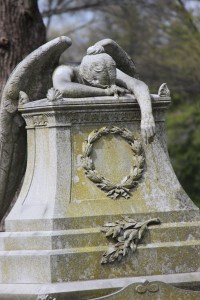
Plants play an essential role not only as a part of the landscape but also when used on tombstones. The meanings of each plant can vary depending on the religious affiliation. Below are some more common plant depictions on monuments in St. Louis.
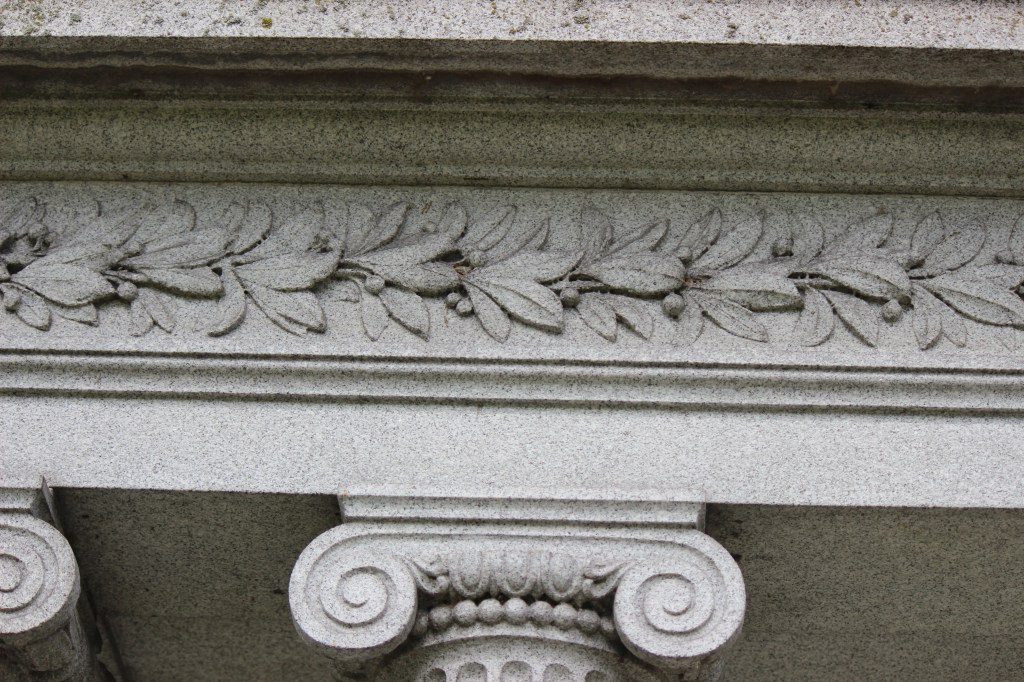
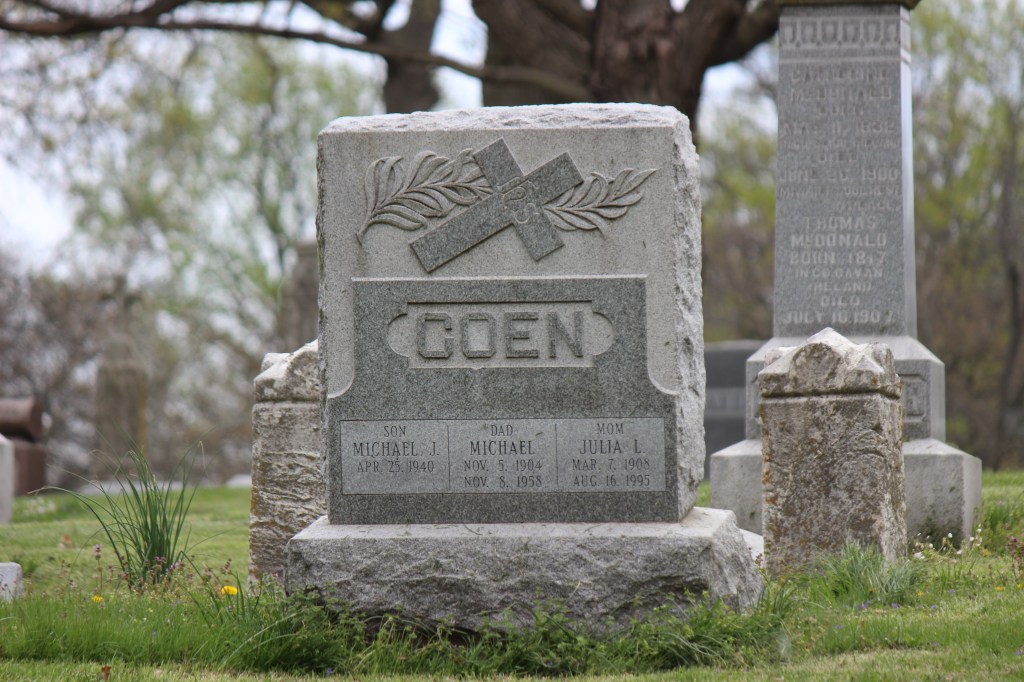
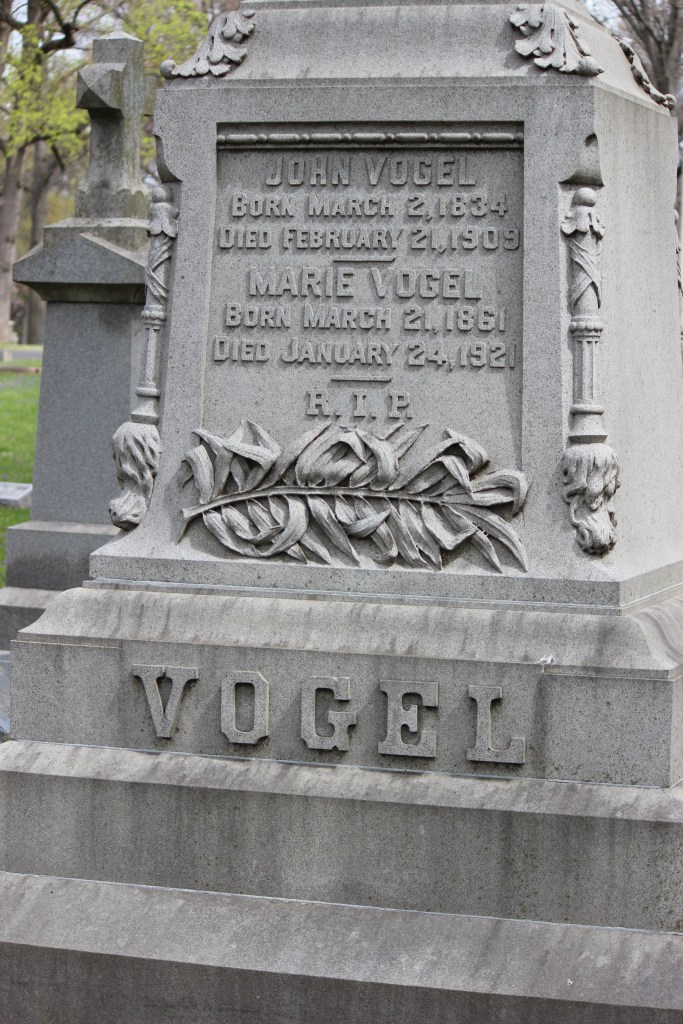
Laurel symbolizes many things, and context may change the meaning slightly. When in the shape of a wreath, it can represent immortality and eternity. This comes from the evergreen being evergreen and the closed circle representing eternity. Laurel, in the form of a crown, represents victory. In some cases, it can mean military success. Surrounding iconography can help determine this.
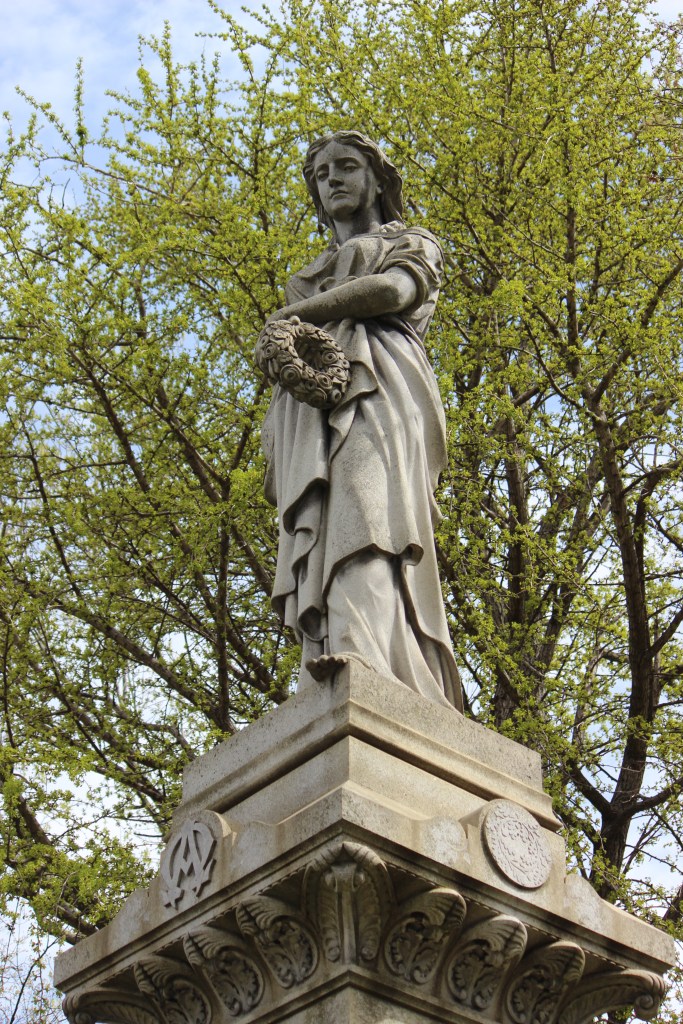
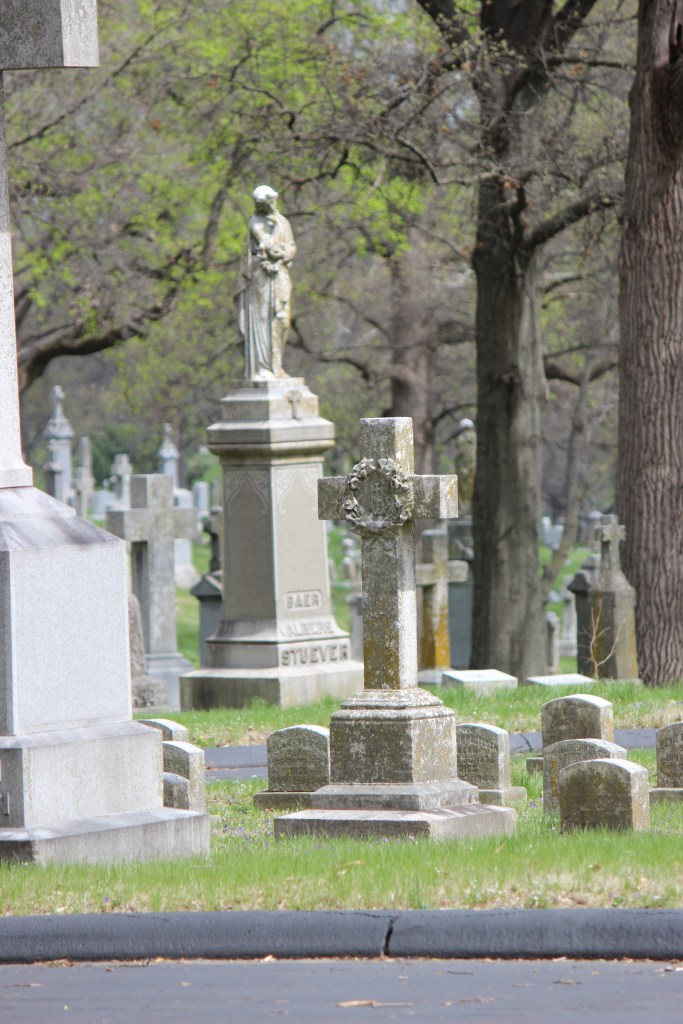
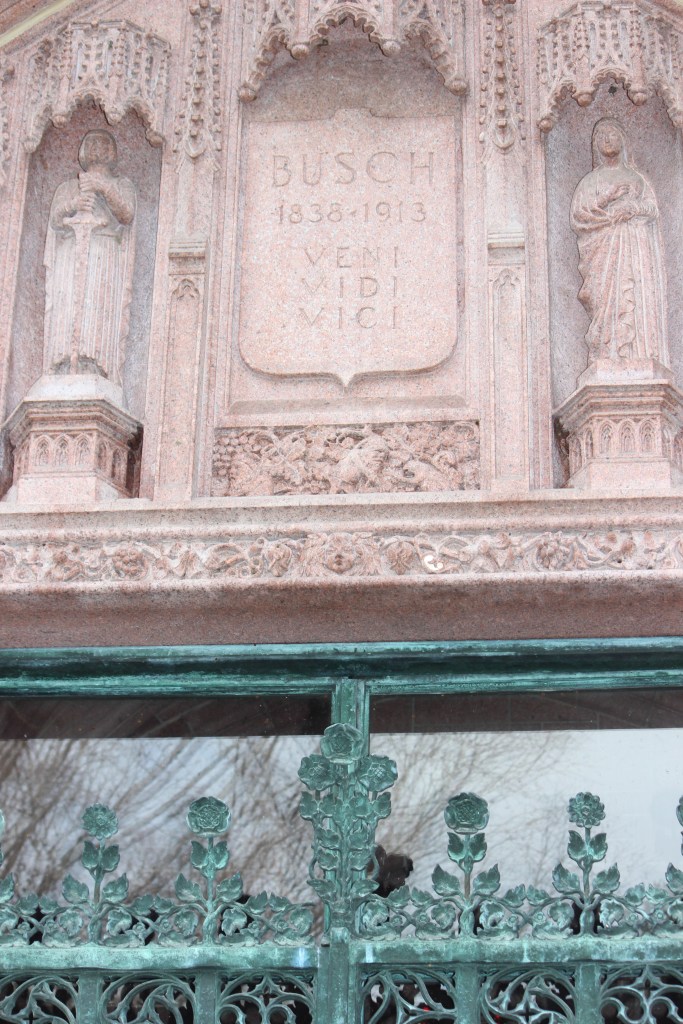
In some cases, the iconography is unique. That is the case with the tomb of Adolphus Busch. He was the co-founder of a brewery, Anheuser-Busch. Hops adorn his grave. In this context, hops represent his career.
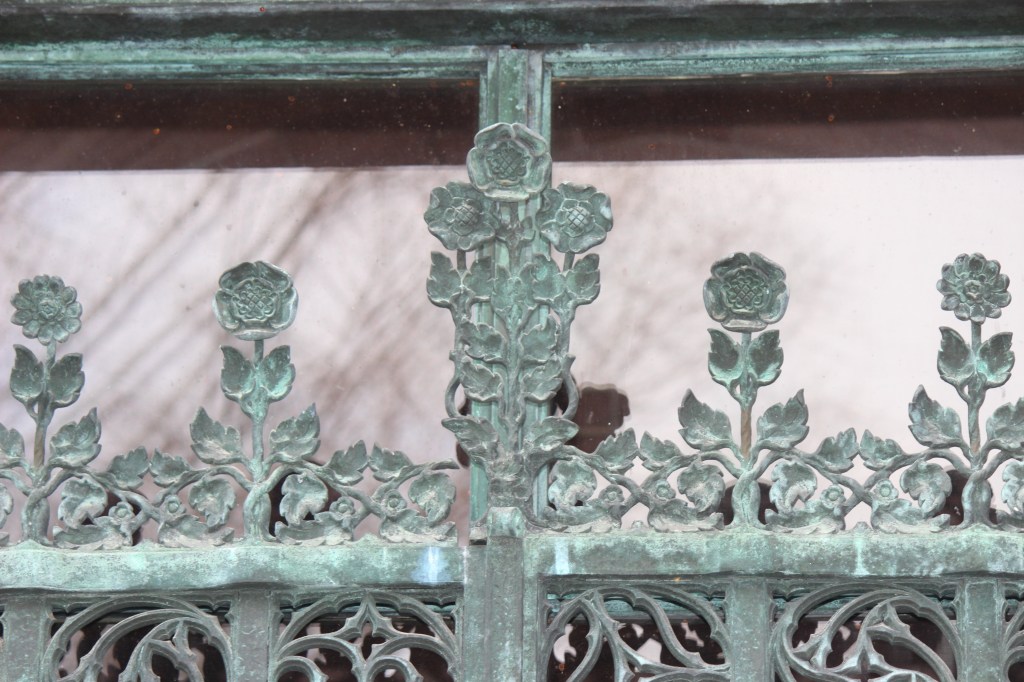
Mushrooms are particular. They can represent everything from a specific artisian leaving their mark on the tombstone, the fairy relm, or death itself. It depends on the formation and type of mushroom. Destorying Angel (Amanita virosa) represents death.
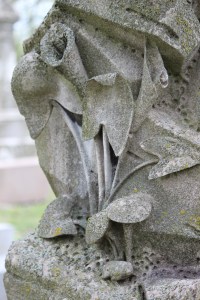
Almond blossoms (Prunus dulcis) represent rebirth.
Bellflower(-) is a symbol for consistency, like a church bell that rings at specific times.
Carnation (Dianthus caryophyllus) is a representation of the Passion of Christ,
Clover (any species of Trifolium) is a symbol for the trinity because of its three leaf pattern. It is also a symbol of Ireland and may represent the location of the deceased’s home country.
Daisies (Bellis perennis) often adorn children’s headstones because they represent innocence. The simplicity of this flower made it an early addition to tombstone iconography because it was easier to create with primitive methods.
Lillies (any species of Lilium) represents purity, charity and hope. It also represents the trinity.
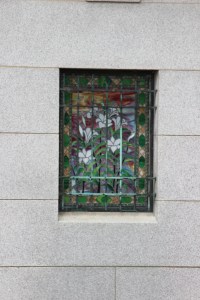
Lily of the Valley (Convallaria majalis) symbolizes innocents and virginity.
Pansies (Viola × wittrockiana) are a symbol of modesty and humility.
Passion Flower (several species of Passiflora, Passiflora caerulea) symbolizes Christ’s crucifixion, and redemption.
Roses (several species) are rich in symbolism and like with many other things the meaning assigned to roses in life is also assigned to headstones. Red roses for passion, and martyrdom. White roses symbolize purity and peace. Yellow roses friendship and so on.
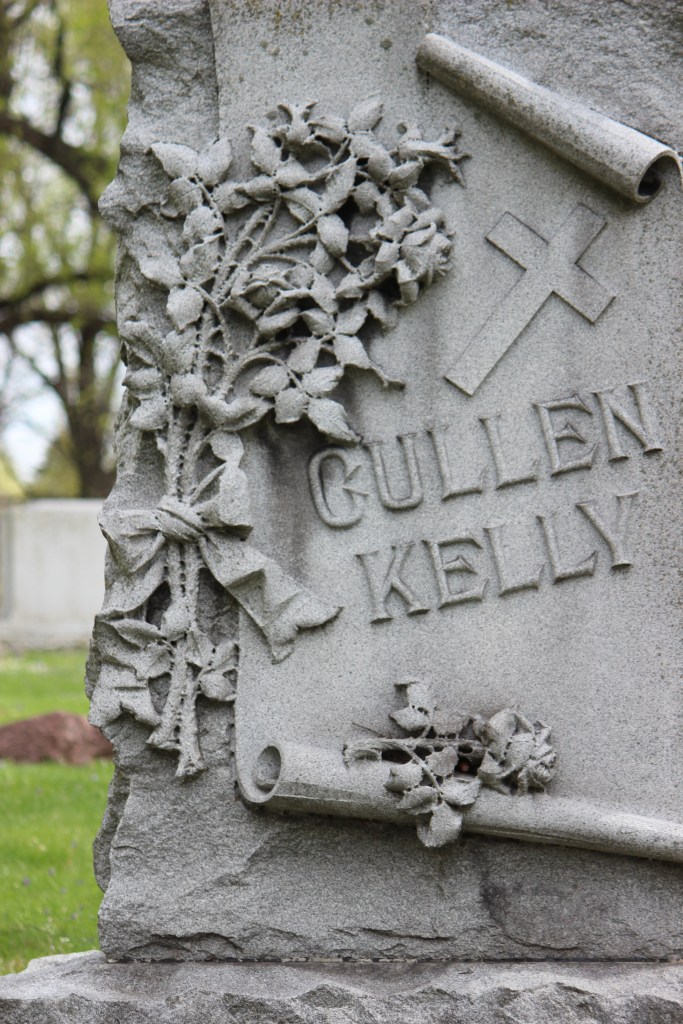
Ivy (any species of ivy) has many meanings. The three points of the leaf represent the holy trinity. When ivy appears to cling to or climb up the headstone, it represents friendship and undying attachment. Ivy also represents immortality.
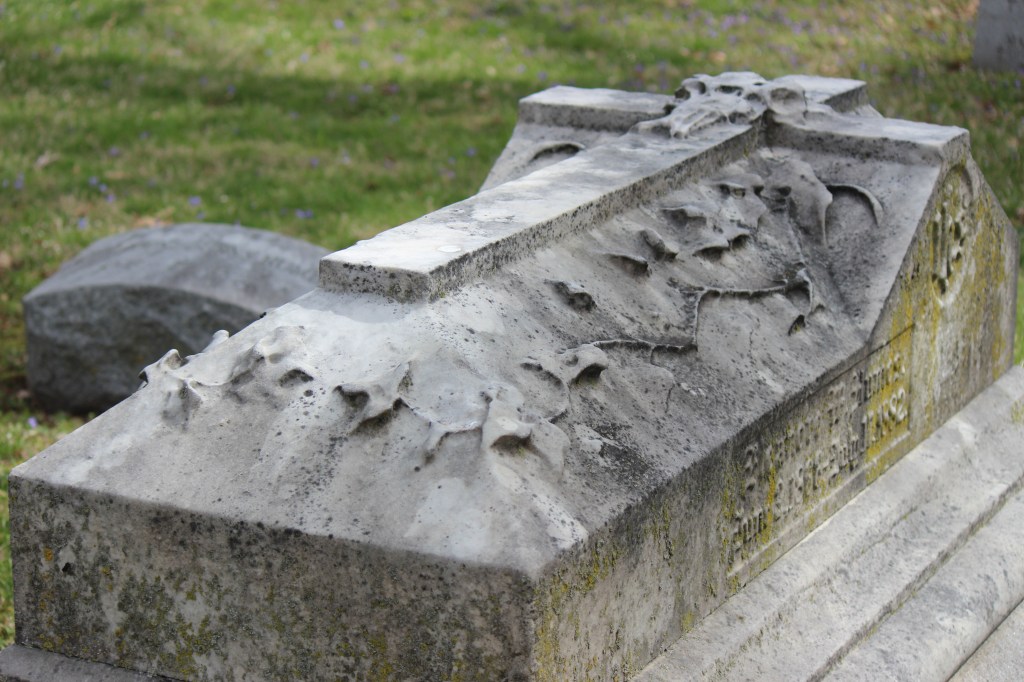
Almond (Prunus dulcis) symbolizes divine approval and rebirth.
Grapes represent the blood of Christ. When paired with wheat the scene represents the Holy Communion.
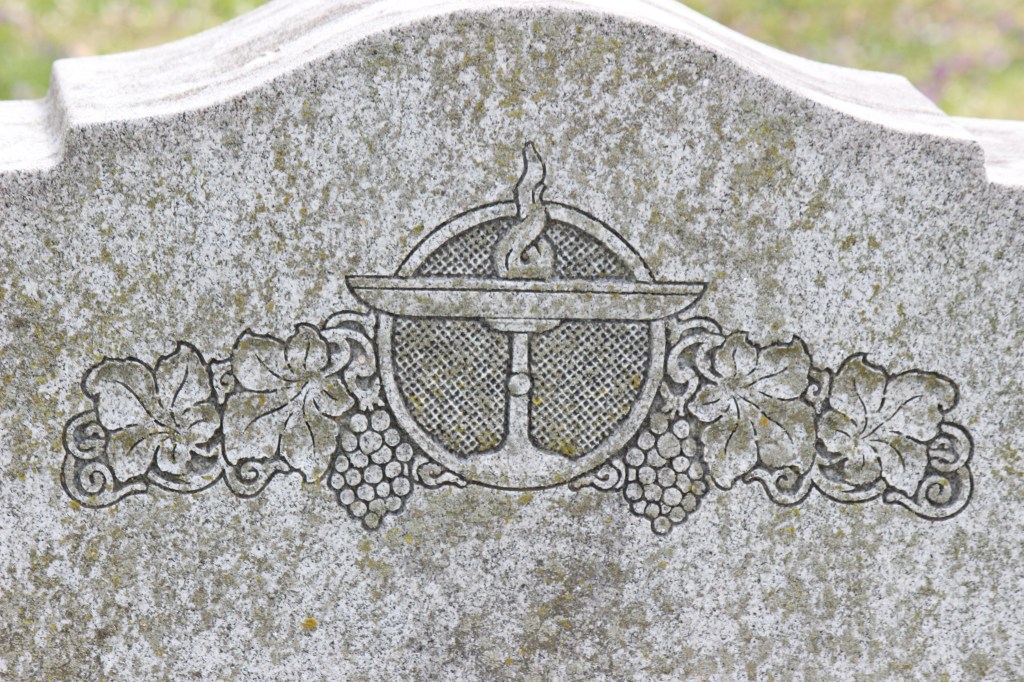
Wheat (Triticum aestivum) symbolizes rebirth, life force, and man kind. When shown in a grouping it represents a long life.
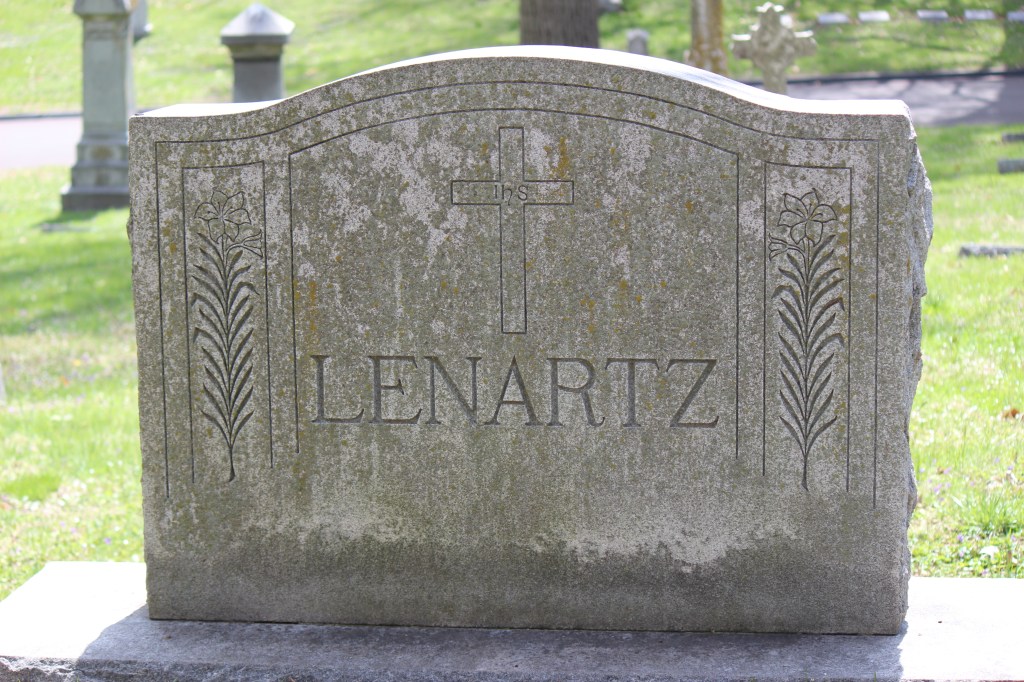
Apple (Malus domestic) symbolizes the forbidden fruit.
Strawberry (Fragaria vesca) symbolizes the Virgin Mary.
Olive (Olea europaea) symbolizes justice and peace (to extend an olive branch). As well as, the sacrifice of Jesus.
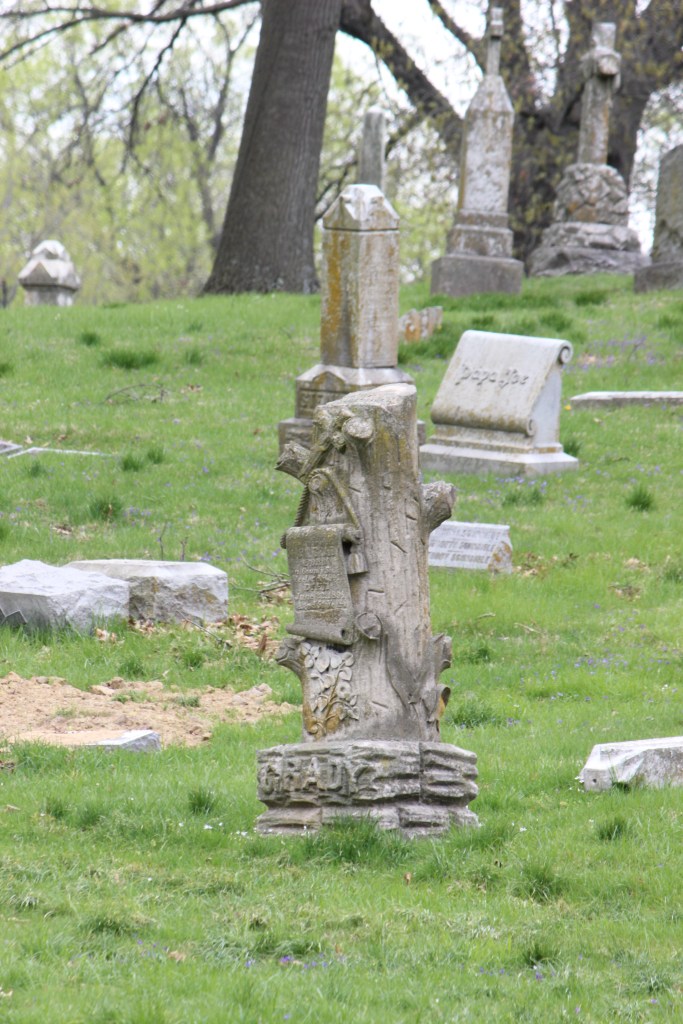
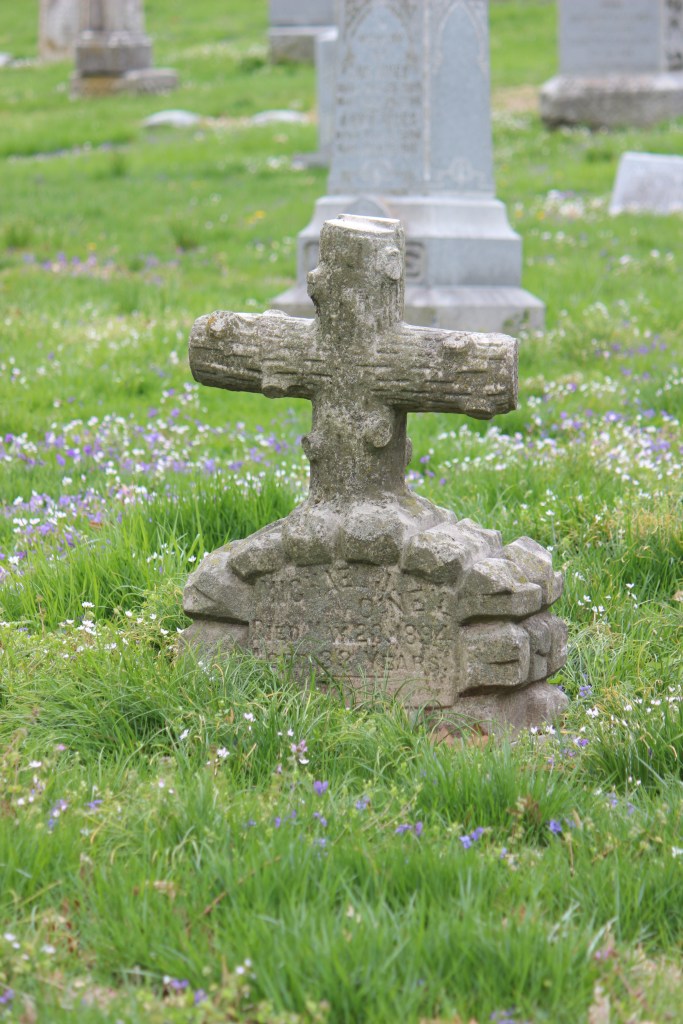
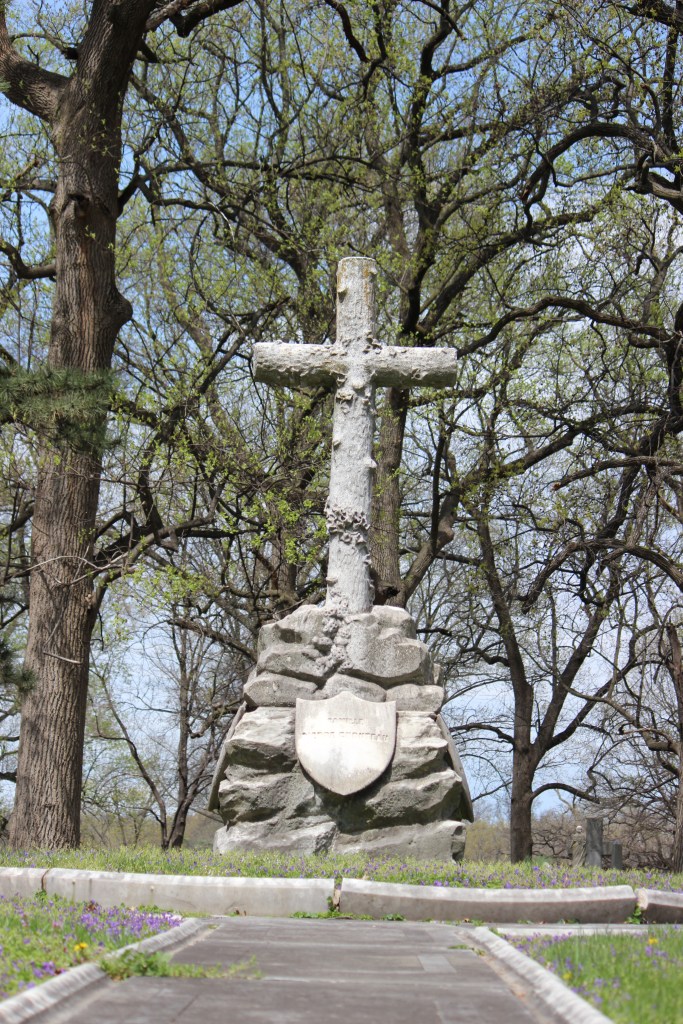
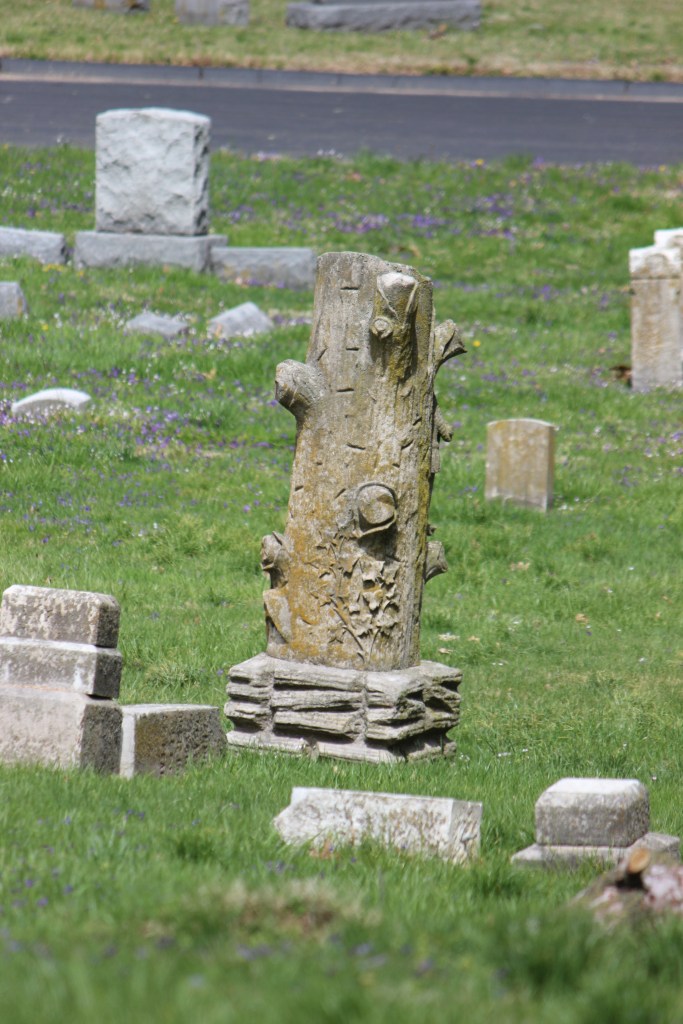
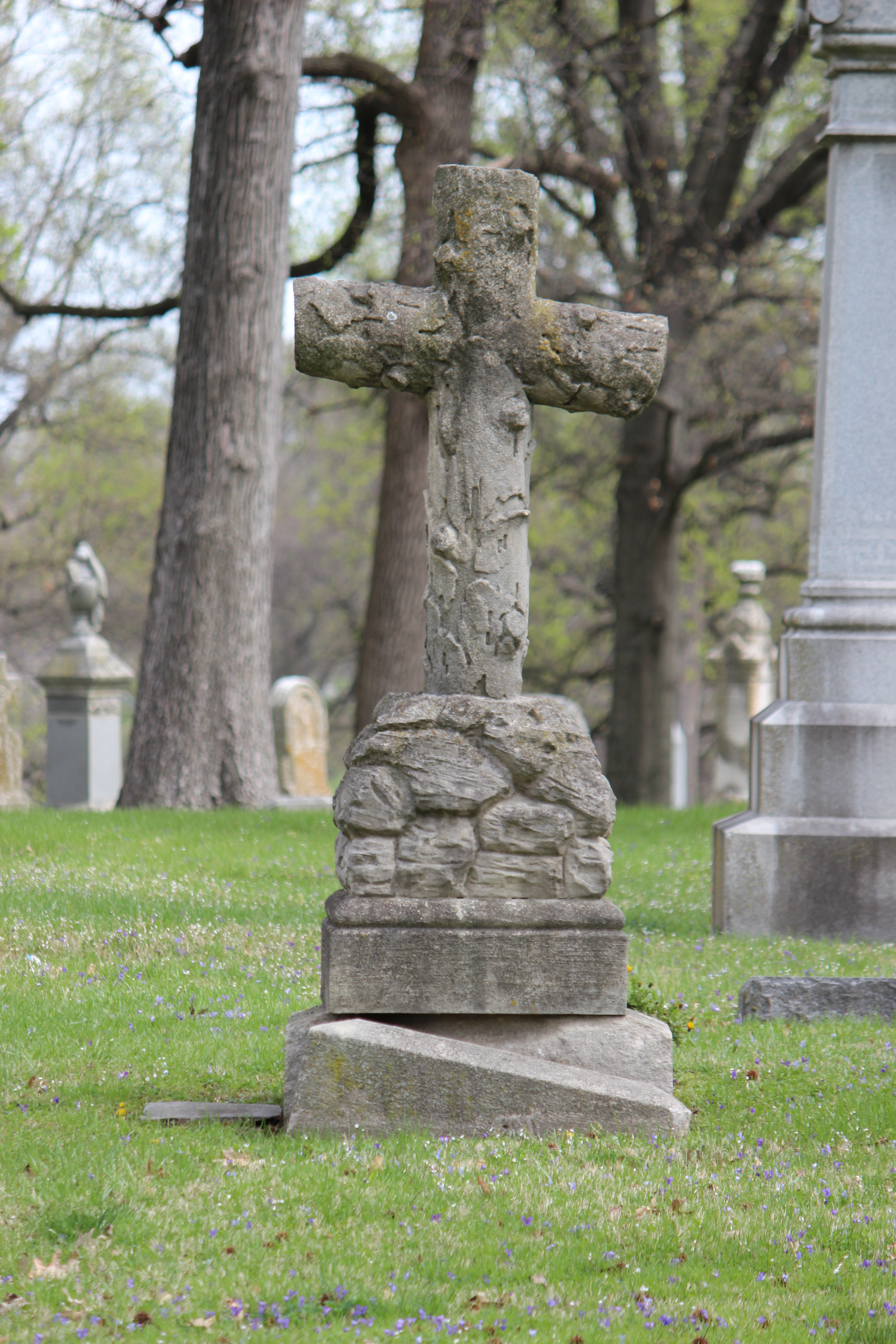
Tree Stones (any tree) were prevalent during the Victorian era. They represent numerous different concepts ranging from a life cut short to skills such as carpentry. The tree stone provides the backdrop for other symbols in some cases.
Palm leaves (any type of palm leaf) are a symbol of a martyr’s victory over death and they also represent St. Christopher.
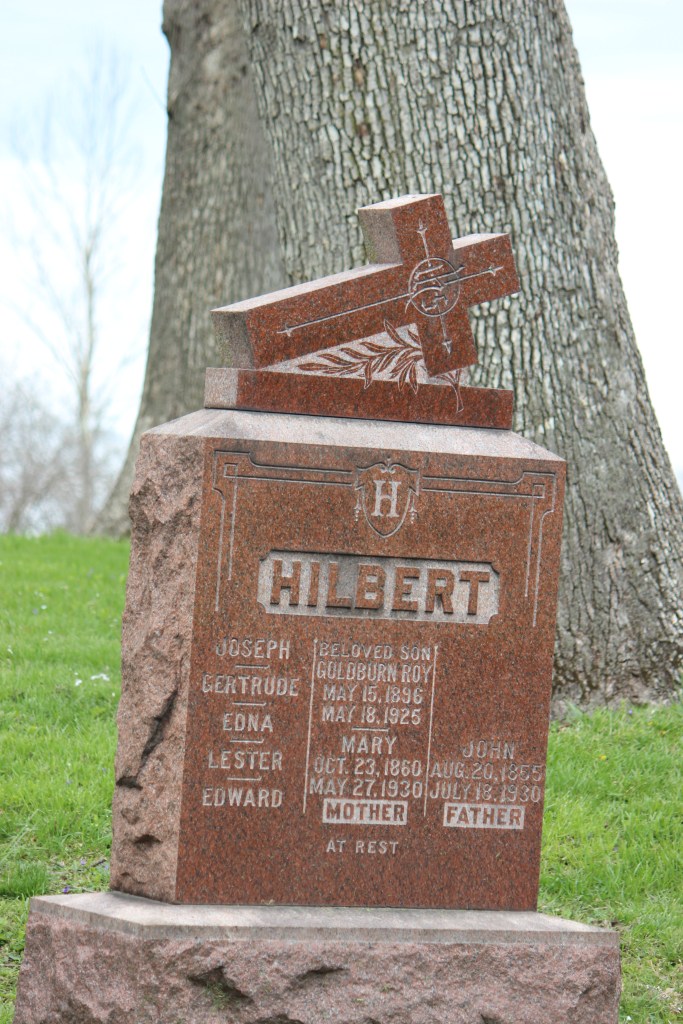
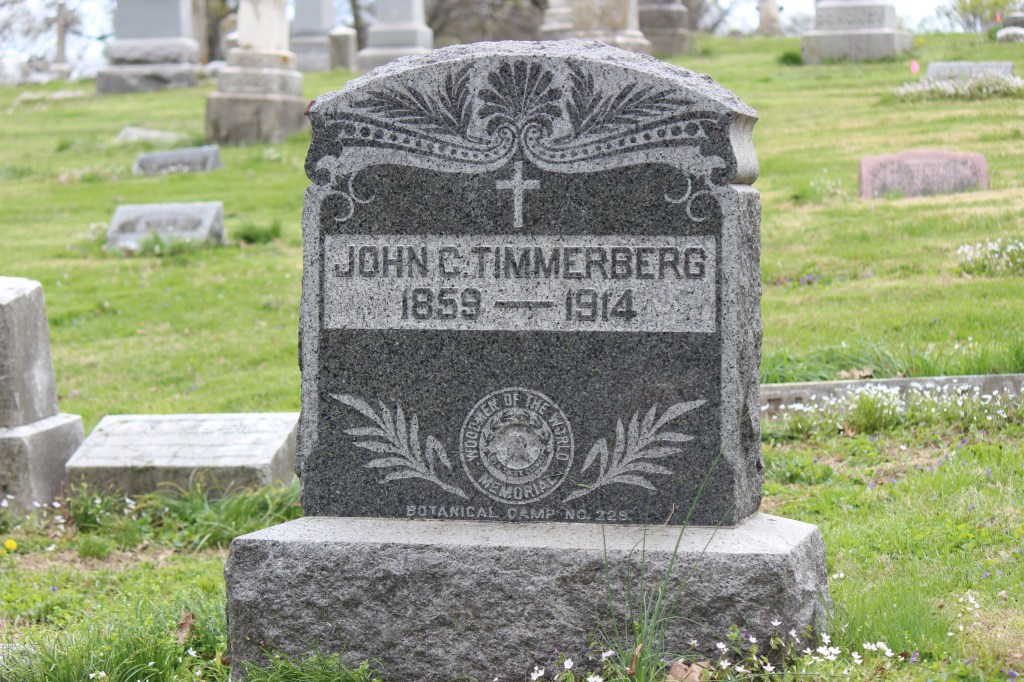
Oak and acorns has a long history in funeral iconography. Oak is a sacred symbol in the Celtic, Greek, Norse, and Roman cultures. Just a few of the concepts oak represents are; power, strength, stability, endurance, honor, virtue, faith, eternity, fertility, and justice.
Fig Tree ( different species of Ficus) was the original Tree of Knowledge and therefore represents knowledge, earthly happiness, abundance and fertility.
Spruce (Picea abies) represents the resurrection of Christ and immortality.
 Archives Of My Mind