What are the different cemetery movements, and how did our attempt to tame the landscape shape these movements? What purpose do plants play in the different ways we memorialize our dead?
Like many cities dealing with population growth and changing landscapes, St. Louis had moved through several approaches to maintaining the homes of the dead. Initially, St. Louis cemeteries were not cemeteries as we know them. They were graveyards and frequently were a part of church property. This would not suffice for the long term.
Early Burial Grounds: Churchyards and Sacred Proximity
St. Louis’s earliest burial grounds were graveyards—small parcels of land often attached to churches. These were not designed with permanence in mind, nor were they built to serve a growing city. As urban expansion accelerated, graveyards became overwhelmed and unsustainable, prompting a shift in both spatial and symbolic thinking.
The Rural Cemetery Movement (Garden Cemeteries)
Often called the Rural Cemetery Movement, or alternately, the Garden Cemetery Movement, this 19th-century shift reflected a new philosophy: cemeteries should be located outside city limits, both to preserve public health and to offer the dead a more tranquil resting place.
But these were not just places for the dead—they were created for the living as well.
Modeled after picturesque gardens and designed with winding paths, curated plantings, and scenic views, rural cemeteries became early public parks. Families would visit on weekends, hold picnics, and stroll through what were essentially open-air museums of grief and status.
In St. Louis, Bellefontaine Cemetery is one of the clearest examples.
- Its streets are named like those of a neighborhood.
- Mausoleums often resemble houses, evoking domesticity and rootedness.
- Family plots are outlined like fenced-in yards, creating the impression of a home within the landscape of the dead.
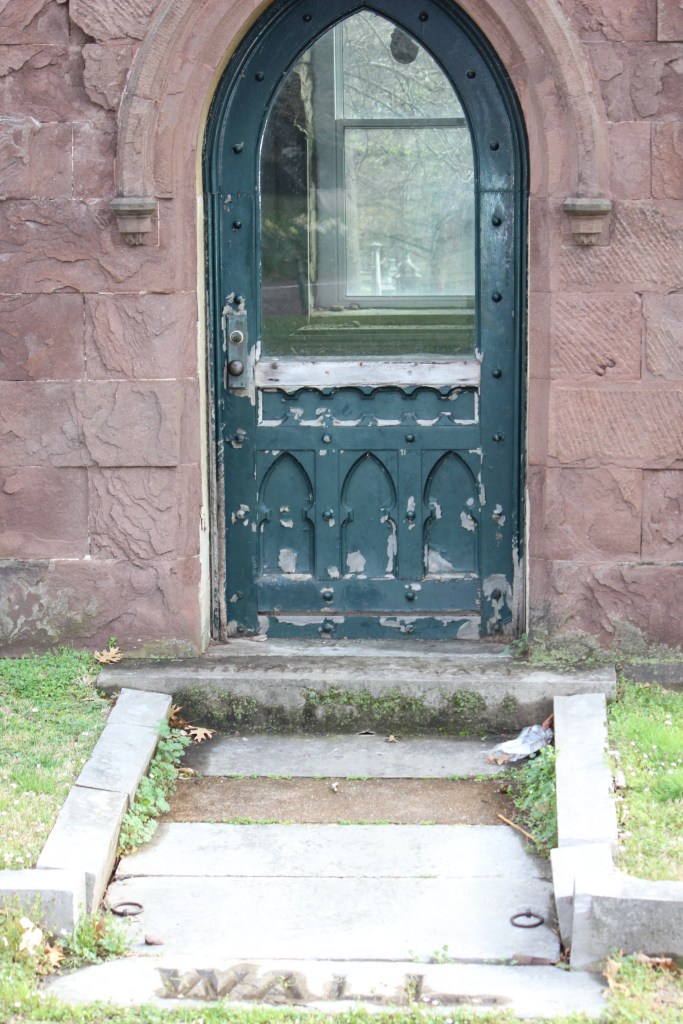
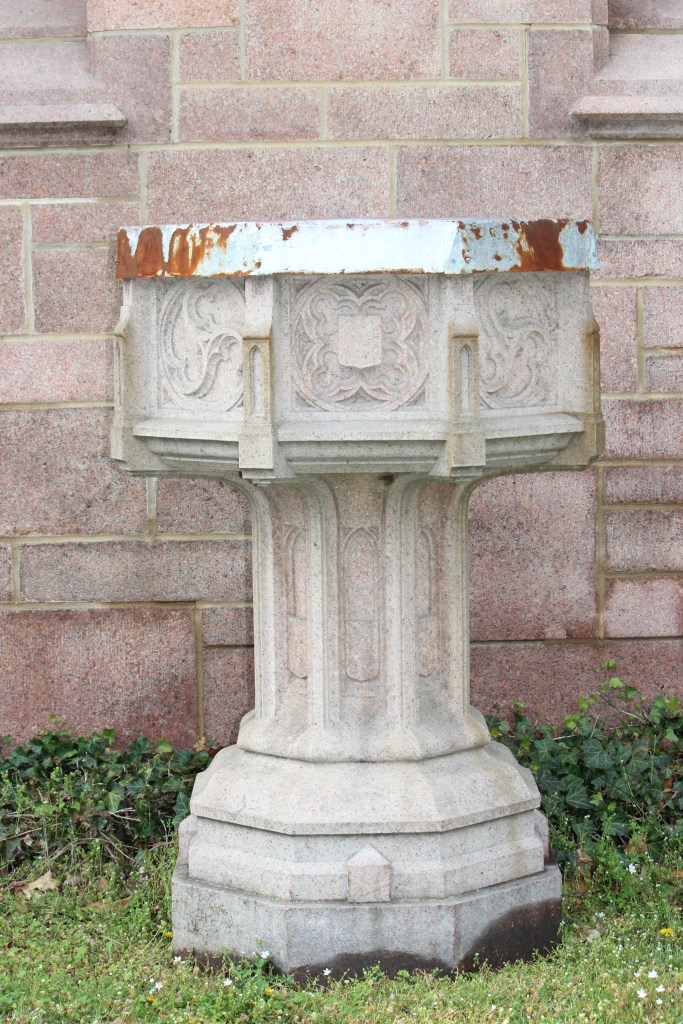
Plants played a central symbolic and practical role in these cemeteries. Landscaping was not just aesthetic—it was part of a broader vision of controlled nature as healing and reflective. Ivy, weeping willows, and evergreens were common, each chosen for its symbolic weight: immortality, sorrow, endurance.
The Lawn Cemetery Movement
Lawn Cemetery Movement was a natural progression for the Rural Cemetery Movement to make. This is because many of the families who would have maintained family plots had either moved out of St. Louis or had passed away. This meant that the cemetery became responsible for taking care of the gravesites. The traditional garden style of Rural Cemetery was no longer practical.
This is evident in St. Louis cemeteries in several ways. We start to see less of grand monuments surrounded by a yard like garden. Instead we see flat headstones in a row that can be easily mowed over.
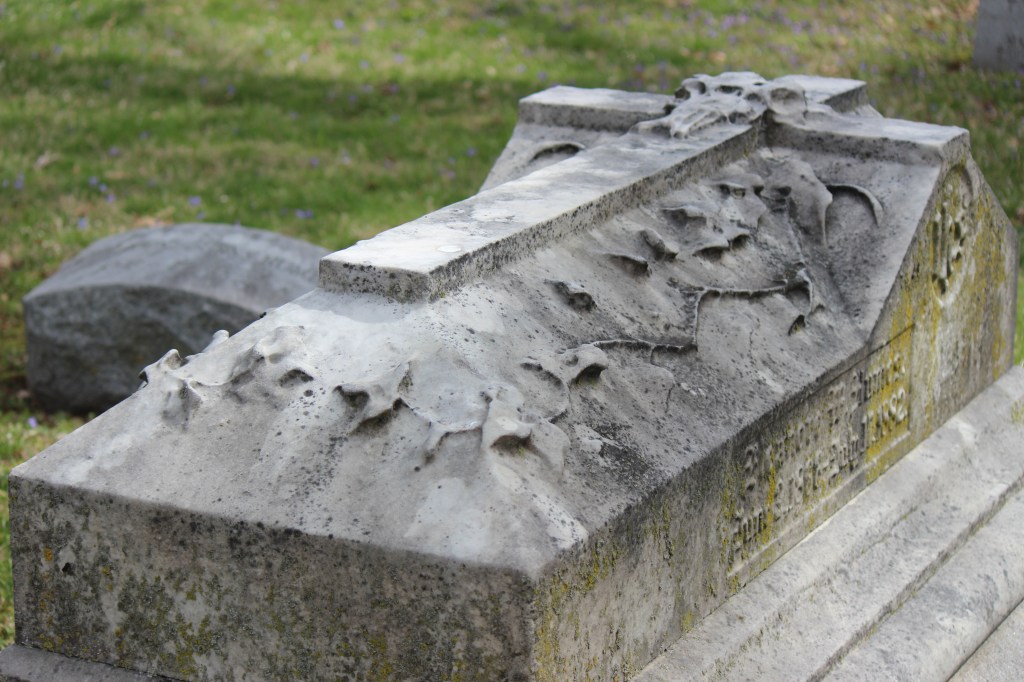
We do see flat ledger grave markers become popular. Some times they have ivy iconography on them which is a replacement for growing the real plant over a grave.
The Green Burial Movement
The most recent chapter in this story is a return to something much older: green burial.
While it may seem contemporary, green burial is an ancient practice—a natural method of caring for the dead with minimal environmental impact.
- No embalming fluids
- Biodegradable caskets or simple shrouds
- Burial in a natural landscape without permanent markers
Many cultures never stopped practicing green burial, even as Western cemetery movements shifted toward formality and control. But today, the movement is gaining renewed interest across the U.S., including in St. Louis, as people seek more ecologically sustainable, spiritually meaningful, and cost-conscious alternatives.
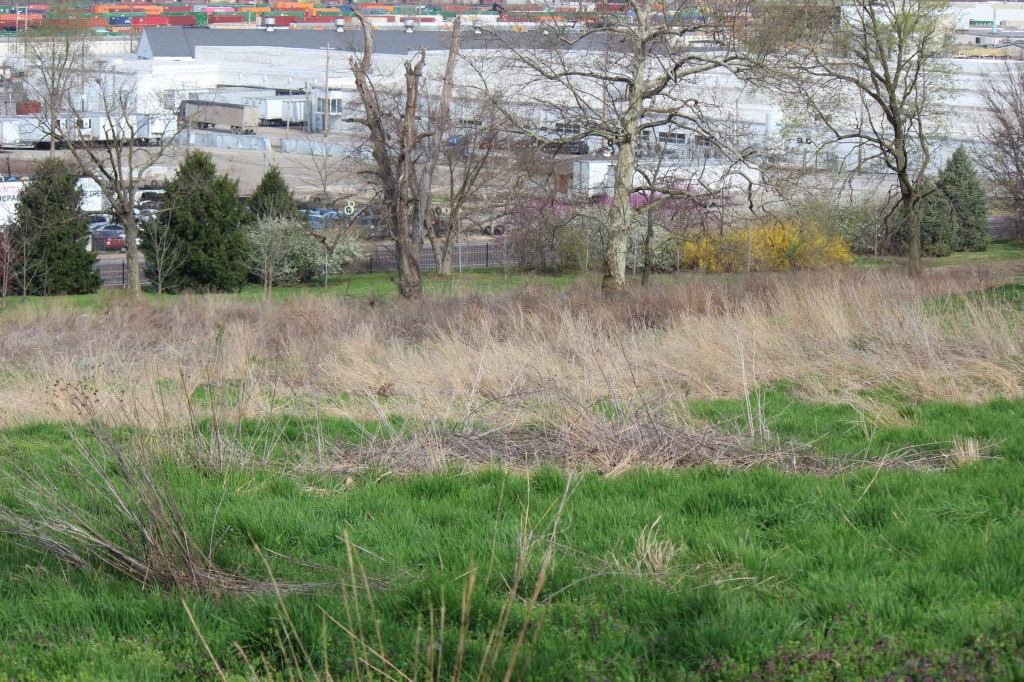
Green cemeteries invite nature back into death. In these spaces, the land itself becomes the memorial, and plants are not symbols—they are participants in the cycle of return.
 Archives Of My Mind