“People are trapped in history and history is trapped in them.”- James Baldwin “Stranger in the Village”
Alison Landsberg is an associate professor at George Mason University for a couple of departments; the Department of History and Art History, and the Department of Cultural Studies. Her background is in memory studies, and she has authored several books. Including, Prosthetic Memory: The Transformation of American Remembrance in the Age of Mass Culture and Engaging the Past: Mass Culture and the Production of Historical Knowledge.
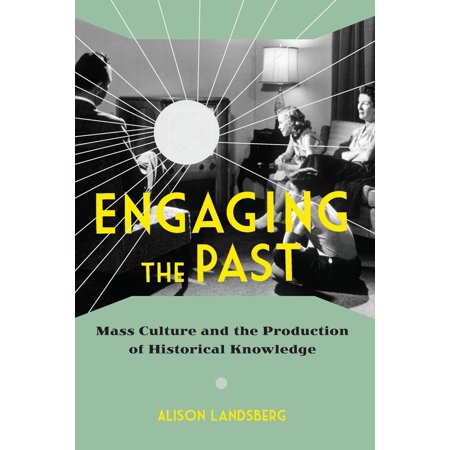
Figure 1: Book cover for Engaging the Part: Mass Culture and the Production of Historical Knowledge by Landsberg.
The latter examines the complex interactions between contemporary media (historical films, TV historical dramas, Reality History TV, Immersive History Museum websites, etc) and its viewers. These media outlets might not always demonstrate an objective truth in the telling of history (looking at you reality history tv). Regardless, they have and still do shape the way we visualize history. Landsberg states, “no matter how much we read and understand history our visualization of it is shaped by film” (Landsberg,2). Not only is history molded by the one telling the story, but also by those observing the telling of history.
Landsberg argues that this interaction is unique in that it enables the viewer to experience and feel history through their own sense of self. This is different from identification in that it does not ask the viewer to forsake their current world view. Instead, the audience is an active listener who can react to the history as it is told. Landsberg refers to this interaction as, affective engagement.
Landsberg does express some concern that history is obscured due to affective engagement. However, these concerns seem to go away with the realization that history is complicated by the very individuals who lived it and through viewer self-awareness. Instead of shying away from affective engagement, Landsberg supports it and asks the viewer to embrace their own self and world view while engaging history.
This type of active listening is encouraged in films like Hotel Rwanda which is chalk full of monologues and less action. Per Landsberg this interacts with viewers “in a way that points out how a particular interpretation can produce historical knowledge about the past, can be a model for the present, or can make visible the problems or shortcomings of the present” (Landsberg, 58). This type of engagement allows the viewer to build a personal connection with the history being told as it invites them to be a part of a greater discussion.

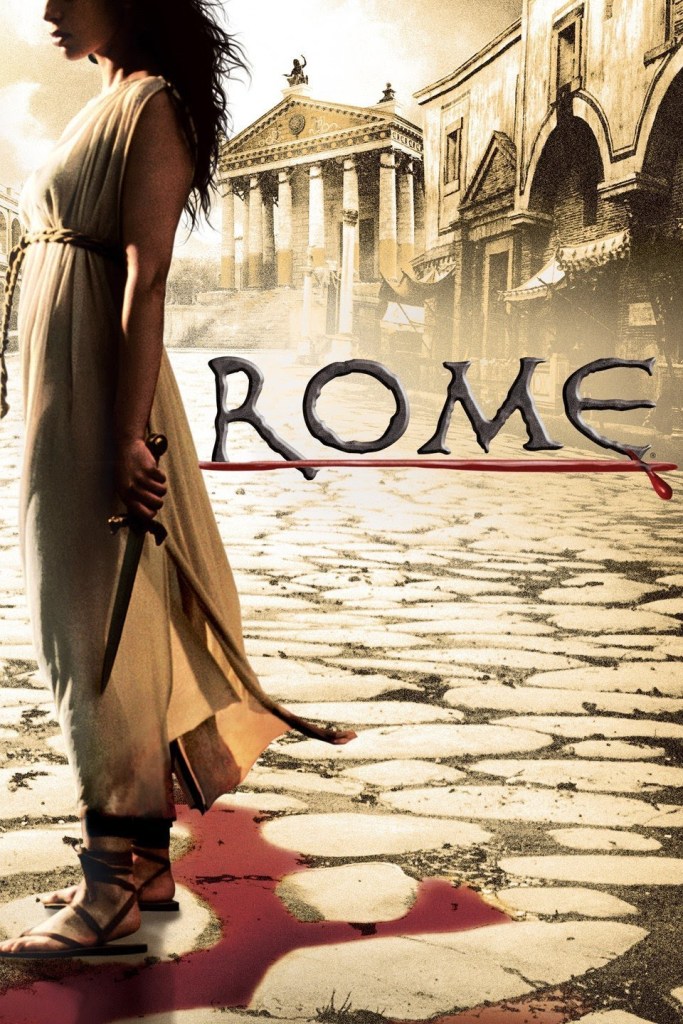
As mentioned before, the storyteller also gets to shape the history being told. The style, or atmosphere created “can provoke a range of affective responses” (Landsberg, 22). The type of style used can direct the viewer in a way that changes their perspective on history. Take for example, the tv show Rome where historical figures are cast with completely fictional characters.
All too often history is told through the victor or those who were high enough up on the food chain to be remembered, but what about the rest? What about those whose lives played an important role in the creation of history but were ultimately forgotten by history? Rome attempts to provide some insight into the lives of the forgotten players during the time of the Roman Empire.
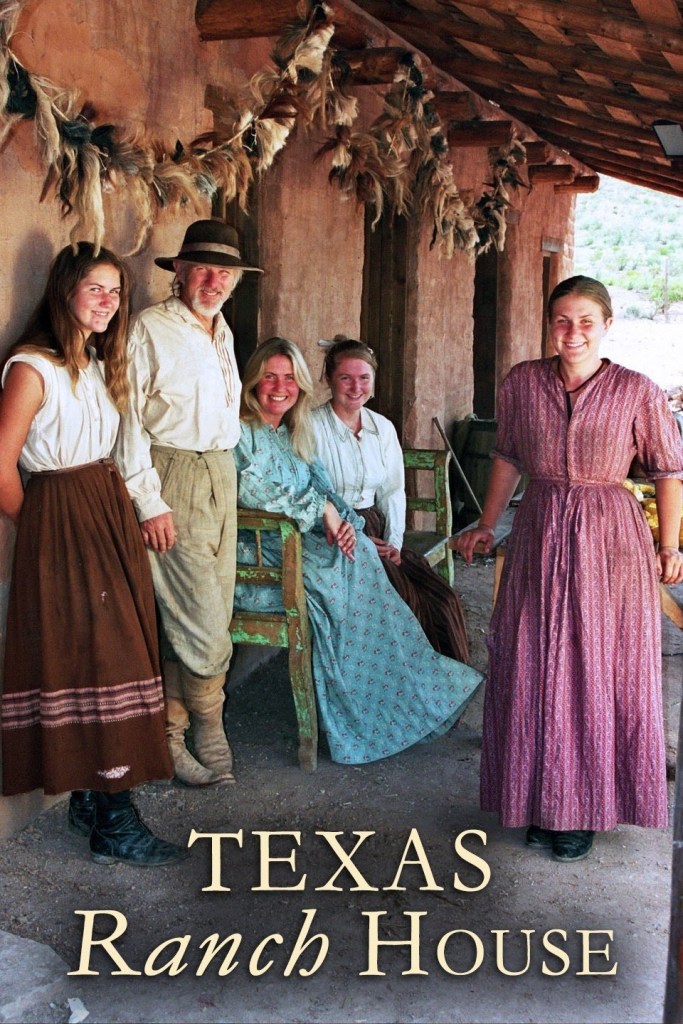
Landsberg also references reality history TV with Texas Ranch House. I have never seen an example of reality history TV or the specific example she provides. Apparently, present day individuals are cast into roles where they must reenact historical events. This seems to be separate from a renaissance fair or battle reenactment, because it forces the participants to remove forgo many modern convinces. Regardless, Landsberg sees this as more of an alternative history, because the participants are unwilling to reenact certain aspects (usually unpleasant racism) of history.
The final exploration of modern media impacts on history dives into digital exhibits and politics. Landsberg points out the clear identification of “progressive political consciousness” (Landsberg, 23) on digital exhibits like The Secret Annex Online which uses an avatar to guide the audience through a digital space. The home of Anne Frank and her experiences are presented so that the viewer can digitally walk through a day in her life.
Instead of walking through an exhibit, reading a plaque on a wall, and finding your way through a series of rooms that tell a story with a digital experience the audience doesn’t have to leave their home. The viewer also does not have the distraction of other viewers roaming around them. This allows history to speak to the viewer in a more personal and impactful way. Taking the viewer along for the journey and experience events in an interactive way that film and tv cannot provide.
Using various examples of contemporary media, Landsberg does a good job at explaining her theory of affective engagement and the various ways we interact with historical knowledge. She also does a fantastic job at encouraging readers to think differently about the way they engage history. Overall, I found her book to be brief and to the point leaving me interested and seeking more information on the subject of public engagement with history.
Citations:
Landsberg, Alison. Engaging the Past : Mass Culture and the Production of Historical Knowledge. New York: Columbia University Press, 2015.
 Archives Of My Mind
5 responses to “Landsberg’s Engaging the Past”
Tonia, I, too, believe that she did a good job of explaining her theory of effective engagement. I especially enjoyed her example of Mad Men in chapter 2, when she discussed the viewer being able to feel what people at that time might feel but also understanding how they learned about current events going on just by using imagery of news outlets. Her conversations about empathy throughout the entire book really caught my attention. I was also fascinated by her focus on reality history tv. I didn’t even know that was a thing until I read it in our reading. Although I do not watch any reality tv shows, I am curious as to what I can learn from watching a series like this. Maybe I’ll give it a go!
LikeLiked by 2 people
I agree, typically reality tv is not my thing, but I am interested in learning more about historical reality tv. It would be interesting to see how modern perspectives on historically difficult concepts play out in a historical setting.
LikeLike
As a previous photography major, then turned anthropology and history major, visuals have always had a striking impact on me. Prior to reading “Engaging the Past” I didn’t think historic films, aside from documentaries, would even be considered an area for historic knowledge. After reading her book, can you think of any specific films/tv shows that you have watched that sparked your interest to learn more about that person/time/event?
LikeLiked by 1 person
Gangs of New York definitely inspired me to learn more. As a result of my interest in learning more about that film, I found the YouTube channel, History Clarified. They do history reviews of various historical films. One thing that they criticize Gangs of New York for is the timeline being off. Things happen way too fast, an example being Irish gaining citizenship as soon as they sign up to serve in the military. In actuality it did speed up the citizenship process from 5 years to 1, but it was not instantaneous. This false timeline is seen as forgivable, because it allows the audience to stay focused, empathize with the Irish, and be a more active viewer. After reading Landsberg book I think they are right in their critic. After all film is art too. On a side note, Daniel Day Lewis so criminally under rated as an actor 🙂
LikeLike
First of all, I love the added visuals, it feels very inviting. I also agree with the comments about effective engagement. I enjoy those television shows and movies that integrate real history that creates a sense of yes, this is how people at that time might have reacted.
I would like a balance struck between the amount of dialogue from Hotel Rwanda and the action depicted in shows like Rome. I think sometimes shows and movies can bear too far into the action of historical events and not on the dialogue or the social and communicative elements that lead to events. I enjoyed the description of the scene in Hotel Rwanda of the car driving over bumps and the characters and the viewers’ subtly realizing the bumps in the road are actually bodies. I also like the creativity of blurring a news report of the massacre from a distance in the movie via a small tv. It makes you earn the reality of the situation.
To answer the question, the show that had the biggest influence on me was on HBO (thanks Landsberg) titled Band of Brothers. I have no fewer than 10 books that I read since the show aired about the soldiers and battles in the series.
LikeLiked by 1 person