Lara Kelland’s Clio’s Foot Soldiers: Twentieth-Century U.S. Social Movements and Collective Memoryexplores how different groups can influence the way their cultural past is remembered. Collective memory is how a group remembers their past, and how that memory is pasted from one generation to the next. During the 1960s and 1970s activists used collective memory to create a political movement by allowing groups of people to claim their own narrative over their own history.

This allowed marginalized communities the opportunity to have their voices heard. With their perspective on historical events we gain insight into current struggles and change needed for equality. With the Civil Rights movement we learned a new social history. “Through the validation of local knowledge and the embrace of folk traditions, they also sought to democratize education as they cultivated a group of movement intellectuals.” (Kelland, 36). This was further seen in the Black Power Movement which constructed a new narrative for Black Americans.

During the Black Power movement, activist used discussions around black history to point out that there is more to blackness than slavery. Being Black wasn’t just being the descendant of or even a former slave. This diminished “the significance of the legacy of American enslavement and by crafting myth and narrative to explain a collective African past that also foreshadowed their intended future” (Kelland, 69).
We want a black poem. And a
Black World.
Let the world be a Black Poem
And Let All Black People Speak This Poem
Silently
or LOUD
-Black Art by Amiri Baraka
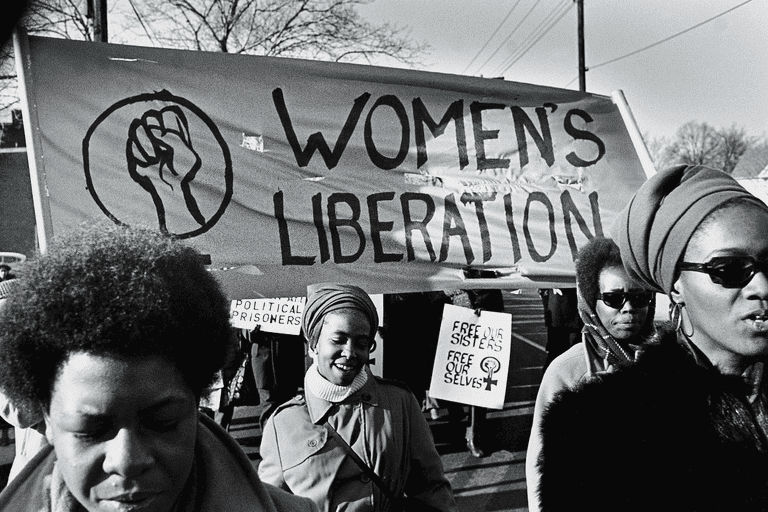
The Women’s Liberation movement was to gain equality for women among men. To do this women had to change the narrative and “undo the internalized misogyny and perceptions of inferiority” (Kelland, 98). The History of Women started in 1973 demonstrated the various achievements of women through history. Women were not a passive and submissive background character to history. Rather women were and are active participants. This movement changed that narrative through historical education.
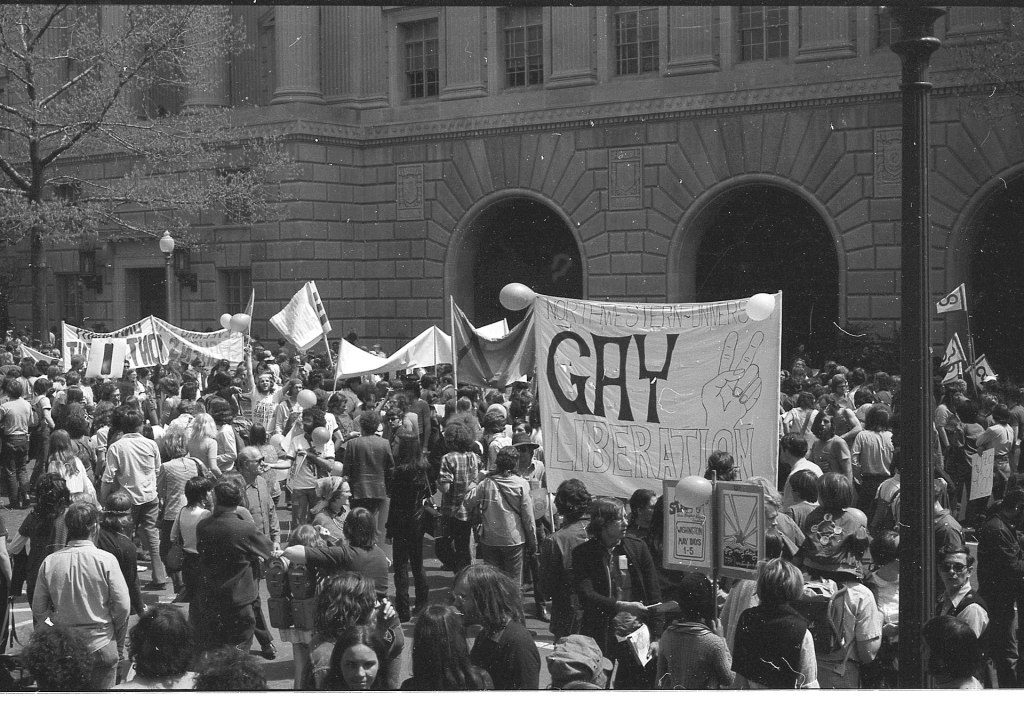
The Gay Liberation Movement, “… followed suit, reworking the cultural forms to suit the needs of the movement and community.” Many in the LGBT community suffered at the hands of an anti-gay legal system. Many LGBT groups sought to change the perspective on this idea that gays were not and could not be a part of society.
Native American history has historically been misrepresented in the American education system. During the Red Power Movement, in addition to health care, and—, cultural preservation was a main goal. The United States practiced genocide on Native peoples. Not only were they killed, native children were placed in boarding schools where their culture was stripped from them. Tribal languages were prohibited and many cultural items were exploited if not destroyed. “Through a variety of collective memory practices, Red Power activist transformed the legacy of assimilation, termination, and urbanization into reclamation of culture, identity, and hope for the future.”(Kelland, 167).

In many ways these movements are not just establishing cultural memory, but are preserving history. History told from another perspective besides the narrow view we are taught in school. The more we learn about the various view points in history the more our perspective on our neighbors changes for the better. We see each other through a cultural history that goes beyond our own awareness. Once we make the conscious choice to learn about different world views and different histories, if you will, we start to better understand our own biases. Through this understanding we see cultural change.
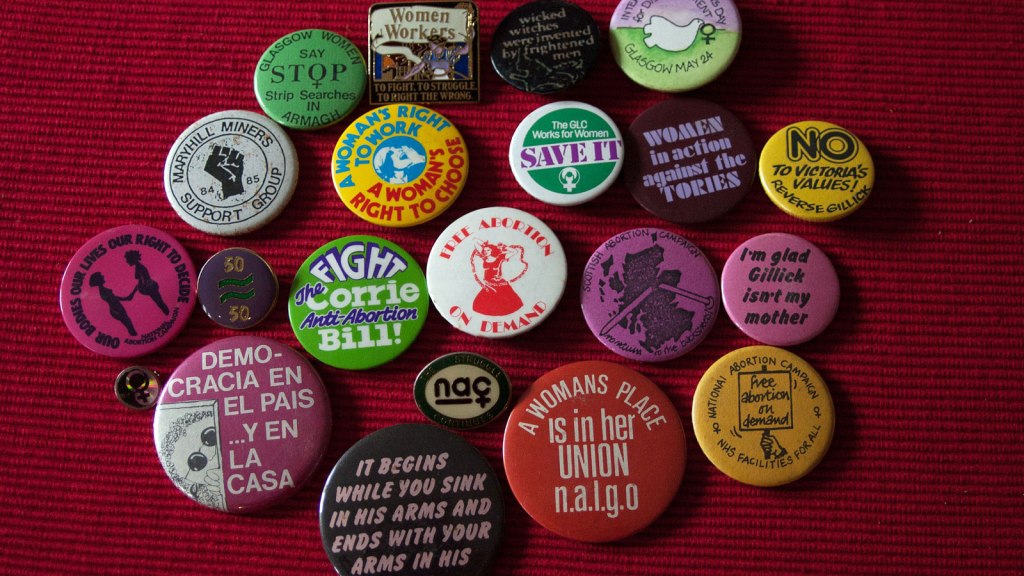
 Archives Of My Mind
2 responses to “Social Movements and Collective Memory”
That red power flag is awesome! It reminds me of the logo of the football team formerly known as the Washington Redskins. Just another in the line of the many egregious mistakes this country has made against Native Americans. Democratizing educations seems a bit tricky these days. Several studies in recent years have looked out how different states have different agendas when publishing history textbooks for K-12. One of the major studies examined the differences between California and Texas. A “””””liberal state”””””””vs. a “””””””conservative state”””””””. Ironically both states are on opposite sides of the spectrum dealing with the pandemic. It comes down to what each state believes in reference to social justice and civil rights, patriotism and nationalism, and how this nation was founded. For a government official to say the 1619 project is fraught with issues and that funding can be taken away for teaching the truth, this does not seem very democratic. I hope the tradition of regaining one’s identity and the legacy of social movements presented in this book, as well as the current movements don’t go gentle into that goodnight. Rage, rage by the dying of democracy!!!
LikeLike
We are indeed taught a narrow view in school. I appreciated how enlightening Kelland’s book was as well as the images you put in.
LikeLike